
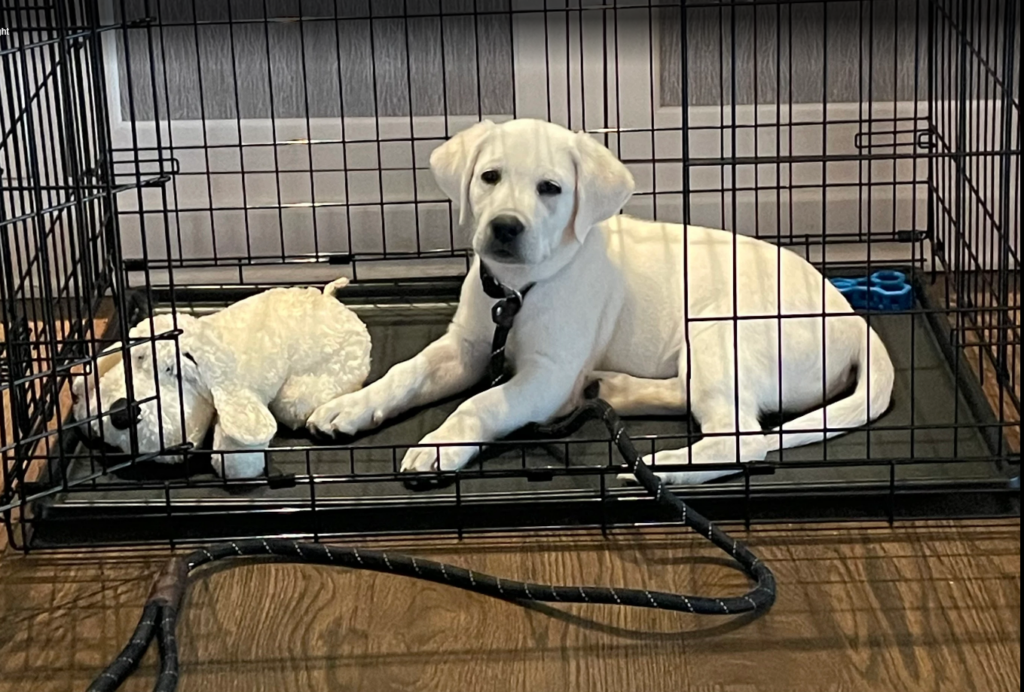
Welcoming a puppy into your home is an exciting milestone, but it comes with its share of challenges. One of the most important early lessons is crate training, a practice that not only provides your puppy with a safe haven but also helps establish routines and boundaries. In this article, we’ll explore crate training as demonstrated by Charlie Thorburn, the seasoned dog trainer at Mordor Gun Dogs, using his Labrador puppy, Zip, as a case study. Charlie’s practical approach, backed by over 25 years of experience, offers a wealth of tips to ensure your puppy adapts effectively to their crate while maintaining a balanced lifestyle.
Whether you’re a first-time dog owner or someone bringing home a new pup after years, this guide will give you actionable insights to train your puppy with patience and empathy.
Why Crate Training Matters
Crate training is more than simply getting your puppy to sleep in a confined space; it’s about establishing structure, safety, and a predictable routine that supports healthy development. When introduced correctly, a crate becomes far more than a temporary holding area. It becomes a secure den, a place where your puppy can relax, unwind, and feel completely safe. Dogs are naturally den-oriented animals, and a properly sized crate taps into that instinct by providing a cozy, quiet retreat away from noise, stimulation, and household activity. This sense of security is especially important in the early months of life when puppies are learning how to interpret the world around them and regulate their emotions.
A well-crate-trained dog carries these benefits into adulthood. Instead of viewing the crate as punishment, they associate it with comfort and routine. This is incredibly helpful for housebreaking, as puppies are far less likely to eliminate where they sleep, helping them develop bladder control and good bathroom habits more quickly. Crate training also prevents destructive behaviors by giving your puppy a safe place to rest during times when close supervision isn’t possible. For families with busy homes, multiple dogs, or young children, this controlled downtime is essential for preventing overstimulation and teaching puppies to self-soothe.
Crate training is also one of the best ways to manage a puppy’s energy. Young dogs have natural cycles of play, exploration, and rest. But without guidance, they can push themselves too hard or become overstimulated. A crate helps establish healthy rhythms throughout the day by giving the puppy structured periods of rest. This directly supports better behavior, improved focus during training sessions, and an overall calmer temperament. Puppies that learn to settle on their own tend to grow into adult dogs that are more confident, emotionally regulated, and easier to handle in new environments.
Another significant advantage of crate training is its practicality. Whether your dog needs to travel, stay overnight at the vet, ride in the car, or rest after a spay/neuter procedure, being comfortable in a crate makes these transitions far less stressful. Dogs who have never been introduced to confinement often panic when crated suddenly in new or unfamiliar situations. Early crate training removes that fear and gives your dog a sense of familiarity no matter where they are.
However, there is a right way to crate train, and it requires balance. Puppies should spend meaningful time both inside and outside of the crate, with plenty of opportunities for bonding, socialization, exercise, and mental stimulation. Over-using the crate can lead to frustration, while under-using it can result in inconsistent habits. The goal is to create a positive experience that supports your puppy’s growth rather than restricts it.
When crate training is approached with patience, consistency, and a gentle introduction, it becomes one of the most valuable tools in raising a well-adjusted, confident dog. By following best practices, you can ensure the crate becomes a source of comfort and routine for both you and your puppy — laying the foundation for a lifetime of good habits, stability, and trust.
sbb-itb-84987df
Step-by-Step Crate Training Guide
1. Start with Short Intervals
As Charlie explains, young puppies like Zip (around 12 weeks old) should only spend short periods in their crate. Initially, aim for no more than an hour at a time. The goal is to ensure they associate the crate with comfort, not isolation.
“You need to take your puppy out regularly – every hour or so – to prevent accidents”, Charlie emphasizes. If you extend the time occasionally, that’s okay, but consistency is critical in the early days.
2. Use the Crate for Rest and Patience Training
Puppies, like toddlers, need boundaries. Time in the crate provides a chance for them to settle, nap, and learn patience. Charlie notes, “You don’t need to tiptoe past them when they’re asleep; they need to adapt to the flow of daily life.”
Mix crate time with playtime and training outside the crate. For example, after a period of house exploration or play, let your puppy spend time in the crate to recharge.
3. Establish a Routine Without Rigidity
While routines are essential, Charlie cautions against being overly rigid. Puppies thrive on variety, and a hyper-regimented schedule can lead to demanding behavior. “If they know they’re due to go out in 20 minutes, they’ll start dictating the rules”, says Charlie. Keep feeding, potty breaks, and crate time somewhat varied to prevent this.
4. Potty Training with the Crate
A key component of crate training is its role in housebreaking. Take your puppy outside immediately after releasing them from the crate. Charlie advises using consistent language to help the puppy associate the command with the action. For instance:
- Wait until they begin to relieve themselves.
- Then repeat the phrase, such as “Have a wee”, during and after the act.
This consistency creates a reliable association over time.
5. Balance Play and Rest
When your puppy is out of the crate, supervise their playtime to prevent destructive behavior. As Charlie points out, puppies are like toddlers: they will chew, bite, and explore everything. Keep your eyes on them to redirect negative behavior, such as chewing furniture or plants, and guide them toward acceptable activities.
At the same time, avoid high-energy play immediately after meals. Overexertion on a full stomach can lead to health risks like bloat, particularly in deep-chested breeds.
Common Challenges and How to Overcome Them
1. Resistance to the Crate
It’s common for puppies to resist at first. Charlie explains that you may need to physically place your puppy in the crate initially. Make the crate inviting by feeding them inside or adding a comfortable blanket.
2. Barking and Whining
A puppy might whine or bark when they want attention. While some noise is expected, avoid giving in to their demands. Instead, teach them that crate time is a part of their routine. “They need to learn it’s not all about them”, Charlie advises.
3. Over-Reliance on the Crate
While crates are invaluable tools, they shouldn’t become a crutch for extended confinement. Puppies need ample time outside their crates to engage with their environment, play, and bond with their human family.
Expert Tips for Responsible Crate Training
- Avoid Water in the Crate: Puppies don’t need water inside their crate for short periods and are likely to spill it anyway. Ensure they have access to water whenever they’re out of the crate.
- Feed for Growth: Puppies are growing rapidly, so feed them based on their expected weight in the near future, not their current size. Adjust portions incrementally, and keep them on three meals a day until at least six months old.
- Supervise and Prevent Destructive Behavior: Always monitor your puppy when they’re out of the crate to prevent chewing or other undesirable actions.
- Stay Patient and Consistent: Crate training can feel overwhelming, but remember that puppies are like toddlers – they need time, guidance, and positive reinforcement to thrive.
Key Takeaways
- Puppies Need Regular Breaks: Take young puppies out of the crate every hour for potty breaks and play.
- Balance Routine and Flexibility: Avoid creating a rigid schedule that makes your puppy demanding; variety helps build adaptability.
- Crate Time Teaches Patience: Use the crate as a tool for rest and learning patience, not punishment.
- Consistent Potty Commands: Use the same phrase during potty breaks to encourage association and faster learning.
- Safety First: Supervise your puppy at all times when they’re out of the crate to prevent accidents or harmful behavior.
- Extend Feeding Gradually: Feed your puppy based on their future weight, and transition to two meals per day only after six months.
- Avoid Overexertion Post-Mealtime: Keep physical activity light after meals to prevent digestive issues.
Final Thoughts
Crate training is an essential part of raising a well-adjusted and happy puppy. It provides structure, fosters independence, and helps establish healthy routines for both the puppy and the owner. As Charlie Thorburn highlights, patience, consistency, and a touch of flexibility are key.
By following these tried-and-true methods and adapting them to suit your puppy’s temperament, you’ll create a positive foundation for their growth – and a harmonious relationship for years to come. Remember, every puppy is different, so take the time to understand their unique needs and adjust your approach accordingly.
Source: “How To Navigate CRATE TRAINING A Puppy” – Mordor Gundogs, YouTube, Aug 23, 2025 – https://www.youtube.com/watch?v=O2V09tdxt70