
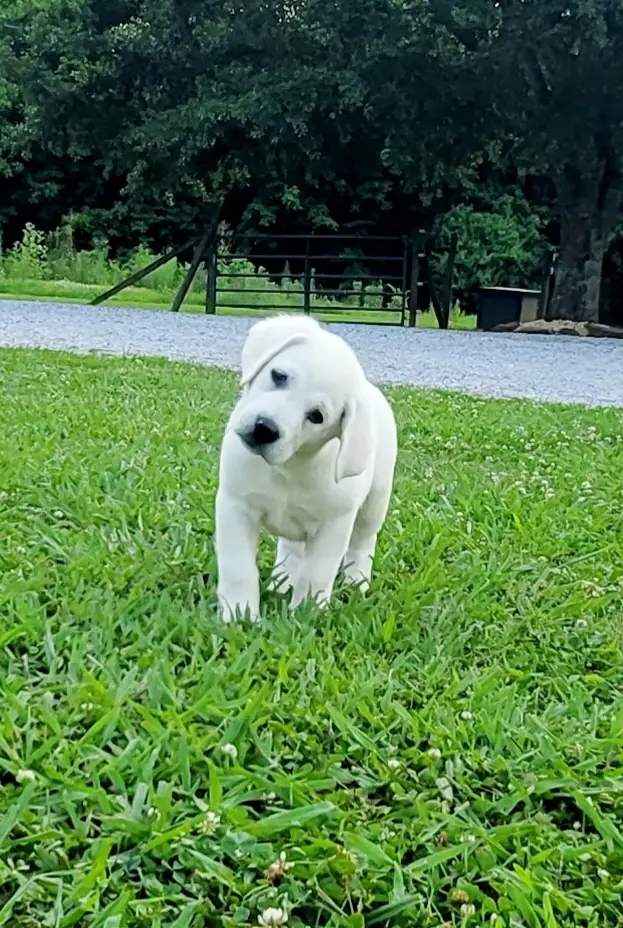
How much exercise does your Labrador puppy need? Here’s a quick guide to keep them healthy and protect their growing joints:
- 8-12 Weeks: Gentle play and exploration. Avoid stairs and high-impact activities.
- 3-6 Months: Follow the "5-minute rule" – 5 minutes of exercise per month of age, twice daily. Example: A 4-month-old puppy = 20 minutes per session.
- 6-12 Months: Gradually increase activity. By 12 months, aim for up to 60 minutes daily. Swimming and soft-surface walks are great options.
- 12-18 Months: Prepare for advanced exercise but avoid high-impact activities like jumping or agility until 18-24 months.
Key Tips:
- Stick to low-impact activities to protect developing bones.
- Mental stimulation (training, puzzle toys) is just as vital as physical exercise.
- Watch for signs of overexertion like heavy panting or worn paw pads.
These guidelines ensure your Labrador grows strong and stays injury-free.
How to Exercise your Labrador Retriever? How much Exercise does your Labrador need per day?
Exercise Requirements by Puppy Age
Adjust your Labrador puppy’s exercise routine according to their age to ensure healthy joint development and overall growth. Here’s a closer look at what each stage requires.
8-12 Weeks: Gentle Play and Exploration
For puppies under three months, there’s no need for structured exercise routines. Instead, let them engage in light, self-paced play and exploration. Free running is ideal at this stage, as it supports joint health without putting undue strain on their developing bodies. However, certain activities should be avoided to keep your puppy safe, such as:
- Stair climbing
- Extended ball-chasing sessions
- Any strenuous or high-impact exercise
Encourage safe exploration in your home or yard, take short, supervised walks, and allow your puppy to rest whenever they feel tired.
3-6 Months: Gradual Activity Introduction
At three months, you can start introducing more structure to your puppy’s exercise routine. A good rule of thumb is the "five-minute rule" – allow five minutes of exercise per month of age, up to twice daily. For instance, a 4-month-old puppy can handle about 20 minutes of exercise twice a day, while a 6-month-old can manage 30 minutes per session.
Activities during this phase might include short walks around the block or playful runs at the dog park. Focus on building positive experiences with walking and basic training commands. Keep an eye on interactions with older dogs and ensure your puppy gets plenty of rest when needed.
6-12 Months: Expanding Physical Activity
As your Labrador grows, you can gradually increase the intensity and variety of their activities. By six months, aim for 30 minutes of exercise twice daily, working up to 60 minutes by their first birthday. Low-impact activities like swimming are excellent options – swimming helps build cardiovascular fitness while being gentle on developing joints.
Other suitable activities include longer walks, easy hikes on soft terrain, and structured play sessions. Always monitor your puppy for signs of fatigue and continue to incorporate free play into their routine.
12-18 Months: Preparing for Advanced Exercise
Between 12 and 18 months, your Labrador is nearing maturity, but their growth plates may still be developing until 18 to 24 months. At this stage, many Labradors can handle up to an hour of daily exercise, aligning with the needs of a healthy adult Labrador.
You can introduce longer hikes, extended swimming sessions, and basic retrieval training. However, avoid high-impact activities like jumping in or out of cars, long-distance ball or frisbee throws, agility exercises, flyball, excessive stair climbing, and abrupt fast turns or roll-overs until your Labrador is at least 2 to 3 years old.
Safe Exercise Activities for Puppies
Keeping your Labrador puppy active is essential for their health, but it’s equally important to choose activities that protect their growing joints. Opt for low-impact exercises that match their energy levels and support healthy development.
Low-Impact Activities for Growing Dogs
Walking is a great starting point for safe exercise. Short walks on soft surfaces like grass or dirt can improve cardiovascular health without putting unnecessary strain on their joints.
Gentle tug-of-war with a soft rope is another fun option. It helps build muscle while boosting your puppy’s confidence. Keep sessions short to avoid overexertion.
Hide-and-seek games with treats or toys tap into your puppy’s natural hunting instincts while keeping them mentally engaged. Start with easy hiding spots in your yard, then gradually make the game more challenging as they get the hang of it.
Puzzle toys and snuffle mats are excellent for mental stimulation and can be just as rewarding as physical activity. You can also scatter kibble in a trail for your puppy to sniff out, encouraging light movement and natural foraging behavior.
Supervised socialization with gentle, well-matched dogs offers both mental and physical benefits. Choose playmates with similar size and energy levels to ensure stress-free and positive interactions.
If you’re looking for more variety, water-based activities are another fantastic way to keep your puppy active while protecting their joints.
Swimming and Water Activities
Swimming is an ideal low-impact exercise for Labradors, who are natural water lovers. It provides a full-body workout, improving cardiovascular health and muscle strength without putting stress on developing joints. Puppies around six months and older are usually ready to start enjoying the water.
A gradual introduction is key to creating a positive experience. Michele Godlevski, a NADD Dock Diving Judge and Certified Professional Dog Trainer, stresses the importance of patience:
Throwing a puppy or young dog in the water is not only a terrible idea, but it may, in fact, damage the dog’s courage about swimming for life.
Begin in shallow, warm water where your puppy can comfortably stand. Join them in the water to build trust, starting with simple heel work in the shallows. A well-fitted dog life jacket is a must for those first sessions to ensure safety.
To help your puppy feel more at ease, introduce water play with toys. Godlevski advises:
Bring a toy or a ball. If your dog will come to you from the shore or edge, you can carry the dog around in the water, holding the handle of the life vest, to allow your dog to paddle.
Pay attention to temperature safety – both the air and water should be at least 100°F combined before swimming. Keep initial sessions brief, around 10 minutes, to avoid exhaustion.
After swimming, practice post-swim care to prevent ear infections or skin issues. Gently dry your puppy’s ears with a towel, let them shake off excess water, and watch for any signs of infection, such as redness, odor, or discharge.
Choosing Safe Surfaces and Terrain
The environment where your puppy exercises is just as important as the activities themselves. The surfaces they walk and play on can greatly impact their joint health and paw safety. Grass and packed sand are ideal for cushioning growing bones while supporting muscle development.
Incorporating mixed terrain – like grass, soft gravel, and dirt paths – adds variety to their exercise routine. This helps improve balance and coordination while keeping their joints protected. Avoid steep inclines, as they can place too much stress on developing hips and shoulders. If you’re hiking, choose routes where your puppy can set their own pace.
Always check the temperature of hard surfaces before heading out; if it’s too hot to touch, it’s too hot for your puppy’s paws. By selecting routes with safe, cushioned surfaces, you’ll give your puppy the support they need for healthy growth.
sbb-itb-84987df
Preventing Overexertion and Injuries
Even the best exercise plan can backfire if your Labrador puppy overdoes it. Puppies often don’t recognize their own limits, so it’s up to you to keep an eye out for signs they’ve had too much. Their developing bodies need protection to avoid long-term harm. Here’s what to watch for and how to keep your pup safe.
Warning Signs of Too Much Exercise
Your puppy’s body has ways of telling you when it’s had enough, though these signals can sometimes be subtle. Look for signs like worn paw pads, heavy panting that doesn’t ease, excessive drooling, or a sudden lack of interest in play. Dehydration, indicated by reduced urination, and overheating – marked by symptoms like vomiting or even collapse – are especially concerning. Dr. Catriona D’Aulerio, Medical Director at the Veterinary Emergency Group in San Jose, puts it into perspective:
"Puppies are often so playful that they don’t realize how overheated they are. They’re not as well developed at maintaining a normal body temperature as healthy adults."
If you notice any of these signs, stop the activity immediately. Offer fresh water and let your puppy rest somewhere cool and comfortable.
Protecting Growth Plates from Injury
Large breeds like Labradors have growth plates that stay delicate until they’re about 18–20 months old. High-impact activities like jumping, sudden twists, or sharp turns can put these areas at serious risk. Dr. Sarah Wooten, a veterinarian focused on large breed health, underscores this point:
"While they are growing it’s very important that they do not exercise excessively on these very fragile growth plates. We want them to have nice, healthy growth plates."
Damage to growth plates can lead to uneven limb growth, premature closure, or even permanent deformities. To avoid this, stick to low-impact activities that allow your puppy to move at their own pace and take breaks when needed. A good rule of thumb is the five-minute rule – five minutes of exercise per month of age.
You can also make their environment safer. Add rugs or mats to slippery floors to prevent falls that could harm developing joints. Limit access to stairs and discourage jumping off furniture to reduce stress on growing bones.
Balancing activity with rest is essential. As the AKC Staff highlights:
"Finding the appropriate balance of play and rest is key for building a healthy relationship with a healthy dog."
Trish McMillan, MSc, CCPDT, offers similar advice:
"It’s important to monitor younger or less fit puppies, and give them breaks or rest periods when they seem tired."
Don’t forget, mental stimulation can be just as effective as physical exercise. Activities like training, puzzle toys, or scent games can tire your puppy out while keeping them entertained – without the risks of high-impact play. By following these precautions, you’ll help your Labrador grow strong and healthy while keeping their joints safe.
Exercise Guidelines for White English Labradors
White English Labradors have a distinct temperament that influences their exercise needs. Their calm and focused nature makes them well-suited for activities that combine physical activity with mental stimulation. Instead of using a one-size-fits-all routine, it’s best to tailor their exercise to match each puppy’s personality and energy level.
Matching Exercise to Temperament and Energy
White English Labradors are naturally more laid-back, which means their exercise routines should be both engaging and purposeful. Their needs will depend on factors like age, health, and genetics. While some may have bursts of energy and require longer, more intense sessions, others might prefer shorter, focused activities.
These dogs were originally bred for versatility – whether in service work, hunting, or as family companions – so they thrive on varied routines. Games like fetch are excellent for getting their heart rate up and burning off energy. Swimming is another great option, but it’s important to introduce it gradually and ensure safety measures are in place.
Off-lead time, when possible, is particularly beneficial. It allows them to regulate their activity naturally and explore at their own pace. Thanks to their calm disposition, White English Labs often enjoy quality exercise sessions over long, exhausting workouts. By customizing their routine, you can help them stay healthy and happy while respecting their individual needs.
Breeder Guidelines for Healthy Growth
Experienced breeders offer additional insights for establishing balanced routines. Polar White Labs at Shallow Branch Farm, for example, highlight the importance of combining early socialization with appropriate exercise to help White English Labrador puppies grow into confident, well-adjusted adults.
For puppies under 12 weeks, short exploration walks of 10–15 minutes in new environments are recommended. These gentle outings provide light exercise while exposing puppies to different sights, sounds, and surfaces, helping them adapt to the world around them.
Daily play sessions with toys like balls, frisbees, or ropes are another great option. Keep these sessions brief and let the puppy set the pace – White English Lab puppies often show their calm nature early on and may need more frequent breaks.
Interactive toys and puzzle games are particularly effective for keeping their minds sharp. Whether they’re destined for service work, hunting, or family life, these activities provide mental stimulation and help channel their intelligence productively.
Supervised playdates with other friendly dogs are also valuable for both socialization and exercise. However, because White English Labs tend to be calmer, they might need some encouragement to engage with more energetic playmates.
The most important advice from breeders is to pay close attention to your puppy’s unique energy levels and adjust their routine accordingly. Some puppies might surprise you with bursts of energy, while others will maintain a relaxed demeanor right from the start. Establish consistent routines for feeding, walks, and training, but remain flexible based on your puppy’s needs.
Finally, remember that consistency in rules and boundaries should extend to exercise. If you don’t want your adult Lab jumping on furniture or pulling on walks, start setting those expectations during their puppyhood exercise sessions. This early effort will help you raise a well-behaved and happy companion.
Key Points for Labrador Puppy Exercise
Let’s recap the essentials for creating a balanced exercise plan for your Labrador puppy. These principles will help ensure your pup stays healthy and happy as they grow.
Stick to the "five-minute rule" – 5 minutes of exercise per month of age, twice daily. This simple guideline, recommended by Dr. Catriona D’Aulerio, helps protect your puppy’s developing joints and prevents overexercise.
The type of play matters just as much as the duration. Free, natural play is far better than forced exercise. A Norwegian study found that puppies allowed off-leash play in parks before three months of age were less likely to develop hip dysplasia. On the other hand, frequent stair climbing was linked to a higher risk of joint issues. Letting your puppy engage in self-regulated, low-impact activities supports healthy joint development.
Don’t forget mental stimulation – it’s just as important as physical activity. Training sessions, puzzle toys, and interactive games not only keep your puppy entertained but also help sharpen their mind. This is especially beneficial for White English Labradors, known for their calm demeanor and intelligence. A mix of mental and physical activities ensures a well-rounded routine.
Watch for signs of overexertion. Puppies can get so caught up in play that they may not realize they’re overheating. Dr. D’Aulerio explains:
"Puppies are often so playful that they don’t realize how overheated they are. They’re not as well developed at maintaining a normal body temperature as healthy adults".
Check your puppy’s paw pads for wear or swelling, and keep an eye on their breathing. If they’re panting heavily, taking frequent breaks during play, or seem overly tired, it’s time to stop and let them rest.
Customize exercise to your puppy’s unique needs. Every Labrador is different. Factors like age, health, and genetics influence how much activity they need. Pay attention to their energy levels and behavior, and adjust their routine as needed.
Match exercise intensity to their growth stage to protect developing bones. Did you know that more than 50% of fractures in puppies occur before their first birthday? Spiral fractures of the tibia are especially common. Keeping activities age-appropriate is crucial for safeguarding their growth plates.
The takeaway is clear: healthy joints are key to a lifetime of active, pain-free movement. By following these guidelines and staying attuned to your Labrador puppy’s individual needs, you’ll set them up for a strong, happy future.
FAQs
How can I tell if my Labrador puppy is getting too much exercise?
It’s crucial to keep an eye out for signs that your Labrador puppy might be overdoing it. Look for excessive panting, trouble breathing, drooling, vomiting, or gums that appear deep red or purple. Physical symptoms like limping, stiffness, or muscle soreness can also signal they’ve pushed themselves too hard. On the behavioral side, watch for changes like irritability, restlessness, or hesitation to play or move – these could indicate your pup is simply worn out.
To avoid overexertion, make sure your puppy gets a good mix of exercise and rest. Tailor activities to suit their age and energy levels, and always keep a close watch during playtime, especially when it’s hot outside. Don’t forget to offer water breaks to keep them hydrated and comfortable.
Why should Labrador puppies under 18 months avoid high-impact activities?
Labrador puppies under 18 months need to steer clear of high-impact activities to safeguard their developing joints and bones. At this stage, their skeletal system is still maturing, and excessive strain can result in lasting orthopedic problems, such as joint damage or arthritis.
To promote their health, stick to low-impact activities. These can include short walks, gentle play sessions, or engaging them with mental challenges. Make sure they get plenty of rest between activities to support their growth and overall well-being.
What are the signs that my Labrador puppy might have joint or growth plate problems?
If your Labrador puppy seems to be struggling with joint or growth plate problems, you might spot a few telltale signs, such as:
- Limping or showing a preference for one leg
- Stiffness or trouble with movements like standing up, running, or jumping
- Swelling around the joints
- Pain when touched or during activities
- Changes in behavior, such as lethargy or hesitation to play
These symptoms could point to discomfort or developmental concerns. If you notice any of these, reaching out to your veterinarian as soon as possible is key to keeping your puppy happy and mobile.