
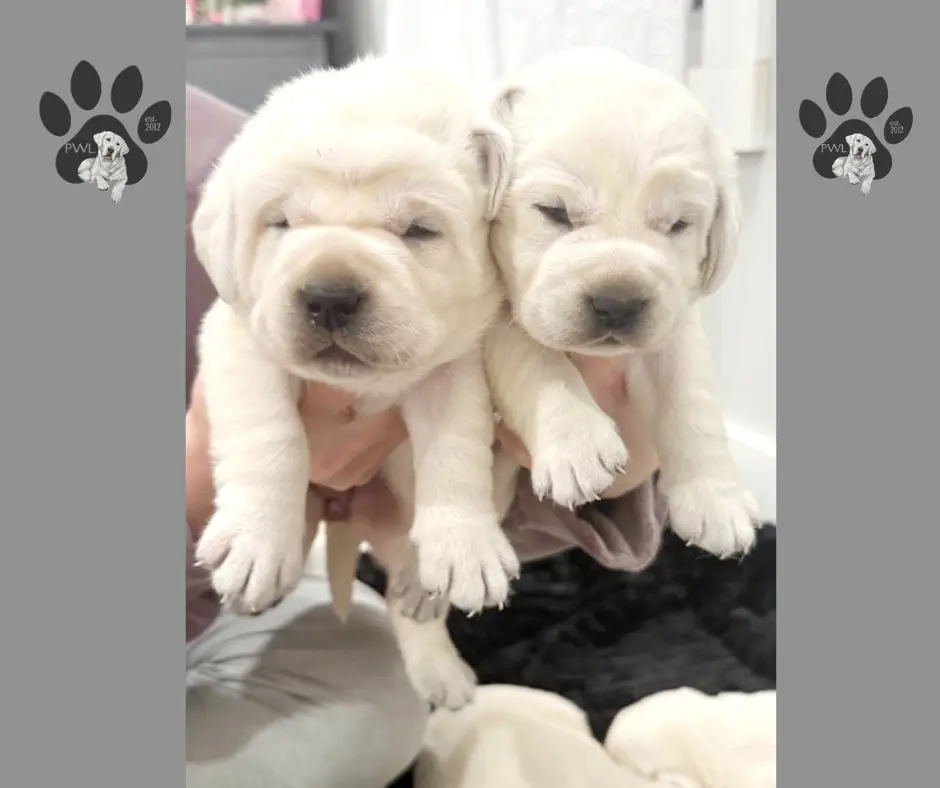
Want a confident, well-behaved dog? Start early. The first 3–12 weeks of a puppy’s life are critical for shaping their personality and behavior. During this time, structured socialization helps puppies grow into friendly, adaptable, and stress-free adults.
Key Takeaways:
- Critical Period (3–12 weeks): Puppies are most open to learning and adapting during this time.
- Socialization Focus Areas:
- People & Animals: Introduce new people and vaccinated dogs calmly and gradually.
- Home Life: Familiarize puppies with household sounds, grooming, and different surfaces.
- New Experiences: Explore outdoor spaces, car rides, and mild weather changes.
- Breeders’ Role: Early handling, exposure to sounds, and interactions with littermates build confidence.
- Owners’ Role: Continue socialization at home with patience, consistency, and close attention to stress signals.
Why it matters: Early socialization reduces fear, aggression, and anxiety while preparing puppies for diverse environments and future training. Confident puppies grow into adaptable, well-rounded adult dogs.
Critical Socialization Period For Puppies 2020 – First 16 …
Early Experiences and Behavior Development
The 3–12-week period plays a crucial role in shaping a puppy’s temperament. Early interactions and exposures during this time have a lasting impact on personality development.
Key Weeks for Socialization
Between weeks 3 and 12, puppies benefit greatly from structured exposure to people, sounds, and different environments. For White English Labradors, genetics provide a naturally friendly foundation, but guided socialization ensures these traits are reinforced and grow stronger.
Effects of Limited Socialization
Without proper exposure, puppies may develop fears of new experiences, struggle with resource guarding, or face challenges in communicating with other dogs.
Starting at three weeks, daily handling, exposure to everyday sounds and surfaces, supervised interactions with vaccinated dogs and a variety of handlers, along with puzzle toys, help build resilience. These early experiences set the stage for further social and behavioral learning.
Core Social Learning for Puppies
From 3 to 12 weeks, focus on three main areas to help puppies develop: interactions with people and animals, getting used to home life, and exploring new places.
Meeting People and Other Animals (Weeks 3-12)
Start with calm, gentle introductions. Encourage visitors to kneel, approach slowly, and let the puppy sniff them first. Aim to introduce a few new people each week as the puppy’s confidence builds.
For animal interactions, begin with calm, fully vaccinated adult dogs. Keep these sessions short and positive, always under supervision. At Polar White Labs at Shallow Branch Farm, puppies spend weeks 3-7 learning essential social skills like bite inhibition and body language cues from their mother and littermates. Breeders oversee these interactions to reinforce these early lessons.
Home Life Training (Weeks 3-12)
Handle your puppy daily and introduce them to common household sounds like the vacuum, washer, TV, or doorbell. Start with low volumes and pair the experience with treats. Let them explore different surfaces, such as carpet, tile, and grass.
Practice handling their paws, ears, and mouth gently every day. This helps prepare them for grooming and vet visits later on.
New Places and Handling (Weeks 3-12)
Gradually expand their world beyond familiar rooms. Take them to outdoor spaces, on short car rides, and let them experience various surfaces and weather conditions. Introduce gentle restraint, nail trimming, leash training, and grooming touches.
Keep these experiences positive. If your puppy starts showing stress signals like lip licking, yawning, or avoiding eye contact, wrap up the session early to keep things comfortable.
sbb-itb-84987df
Socialization Guide for Breeders and Owners
Breeder Socialization Methods
Breeders play a key role in shaping a puppy’s early social skills. At Polar White Labs, for example, breeders handle puppies daily from weeks 3 to 7. During this time, they introduce gentle grooming, expose the pups to different textures, low-level sounds, and safe family interactions. These activities help puppies build confidence and adjust to new experiences.
Owner Socialization Steps
Once a puppy transitions to its new home, owners should continue the socialization process with patience and consistency. Here are some practical steps:
- Create a calm and steady routine.
- Encourage gentle interactions with everyone in the household.
- Introduce your puppy to new environments, like quiet parks or short car rides.
- Practice handling and grooming regularly.
- Set up supervised playdates with other dogs.
- Let your puppy explore different surfaces and experience mild weather changes.
Keep an eye on your puppy’s behavior during these activities. The table below can help you recognize stress signals and adjust accordingly.
Reading Puppy Signals
Understanding your puppy’s body language is crucial for tailoring socialization to their comfort level. Here’s how to interpret stress signals:
| Stress Level | Physical Signs | Behavioral Signs | Recommended Action |
|---|---|---|---|
| Mild | Lip licking, yawning | Avoiding eye contact | Take a short break |
| Moderate | Ears back, tail tucked | Moving away, hiding | End the current activity |
| High | Whale eye, stiff body | Growling, barking | Remove the puppy from the situation |
Future Benefits of Early Socialization
Positive Outcomes of Early Socialization
When puppies are socialized early and consistently, they gain long-term behavioral advantages. These puppies often grow into confident adults, better equipped to handle various situations. Early socialization helps reduce fear, aggression, and anxiety as they mature.
At Polar White Labs, breeders bring over 13 years of experience to the process of early socialization. This effort has led many of their dogs to thrive as stress-support companions for children with autism or as PTSD service dogs for veterans, demonstrating their strong emotional stability.
Preventing Behavioral Issues
Early socialization plays a key role in reducing potential behavior problems in adulthood, such as:
- Less fearfulness in response to everyday stimuli
- Lower risk of separation anxiety or general nervousness
- Reduced aggression toward people or other animals
- Improved ability to adapt to changes in routine or environment
By addressing these concerns early, puppies are set up to grow into confident and well-adjusted dogs.
Support from Polar White Labs

Polar White Labs provides expert advice on temperament-focused training and ongoing support for owners. Their early conditioning programs are specially designed to prepare puppies for future roles, including service and support work.
Conclusion
The period between weeks 3 and 12 is crucial for shaping a puppy’s confidence and behavior. Puppies exposed to positive experiences during this time are more likely to grow into well-rounded companions, comfortable in various environments and capable of handling new challenges. Early socialization also helps reduce the risk of behavior issues and sets the foundation for future training.
Reach out to Polar White Labs at Shallow Branch Farm to begin your puppy’s socialization journey and receive continued guidance along the way.